





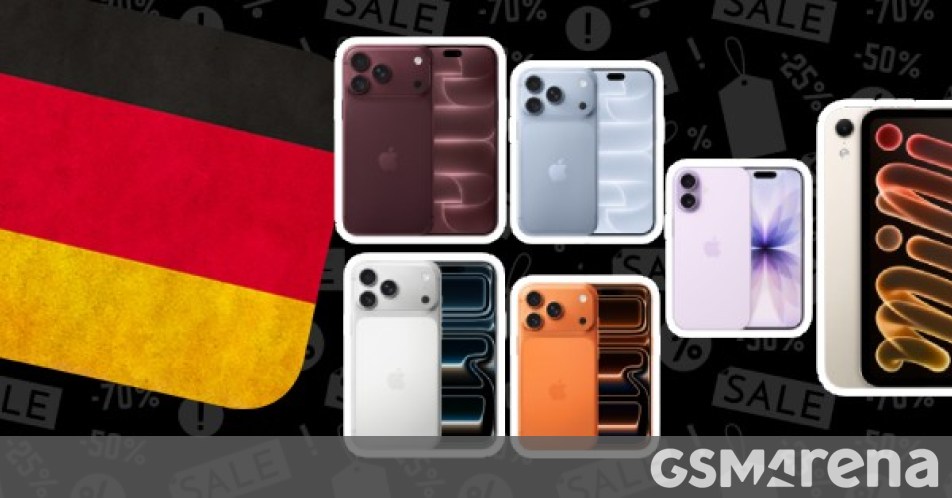
The iPhone 17 Pro Max is still around too for those who want a 6.9” screen instead of a 6.3” one.
Simultaneously, Apple has refreshed the iPad mini, marking its first venture into OLED displays for this model. The new mini, featuring an 8.5-inch OLED screen, is available with a nano-texture glass option. It boasts a slimmer and lighter build than its predecessor, despite a slight reduction in battery capacity. Powered by the A20 Pro chipset, it outperforms the older mini in single-threaded tests, though the iPad Pros, equipped with M5 chips, still lead in multi-threaded performance. The new mini also offers water resistance, a feature absent in the 2024 model.
The iPad Air remains a viable alternative, particularly the 11-inch version, which is more affordable than the new mini. It features an IPS LCD screen rather than OLED, maintaining the standard 60Hz refresh rate.
The new model is the first mini with an OLED display and, even better, there is a nano-texture glass option for the 8.5” panel.
In the realm of laptops, Apple has unveiled the latest MacBook Pro, which now includes a PROLED XDR display. This marks the first touch-enabled OLED screen on a MacBook, featuring a 120Hz refresh rate. The design eliminates the notch, opting instead for a Dynamic Island that houses only a camera, without Face ID. These new MacBooks, powered by M5 Pro and M5 Max chips, are notably lighter than their predecessors but come with a higher price tag.
These innovative releases continue to push technological boundaries, offering consumers advanced features across Apple’s product lineup.



Article Source: www.gsmarena.com
