






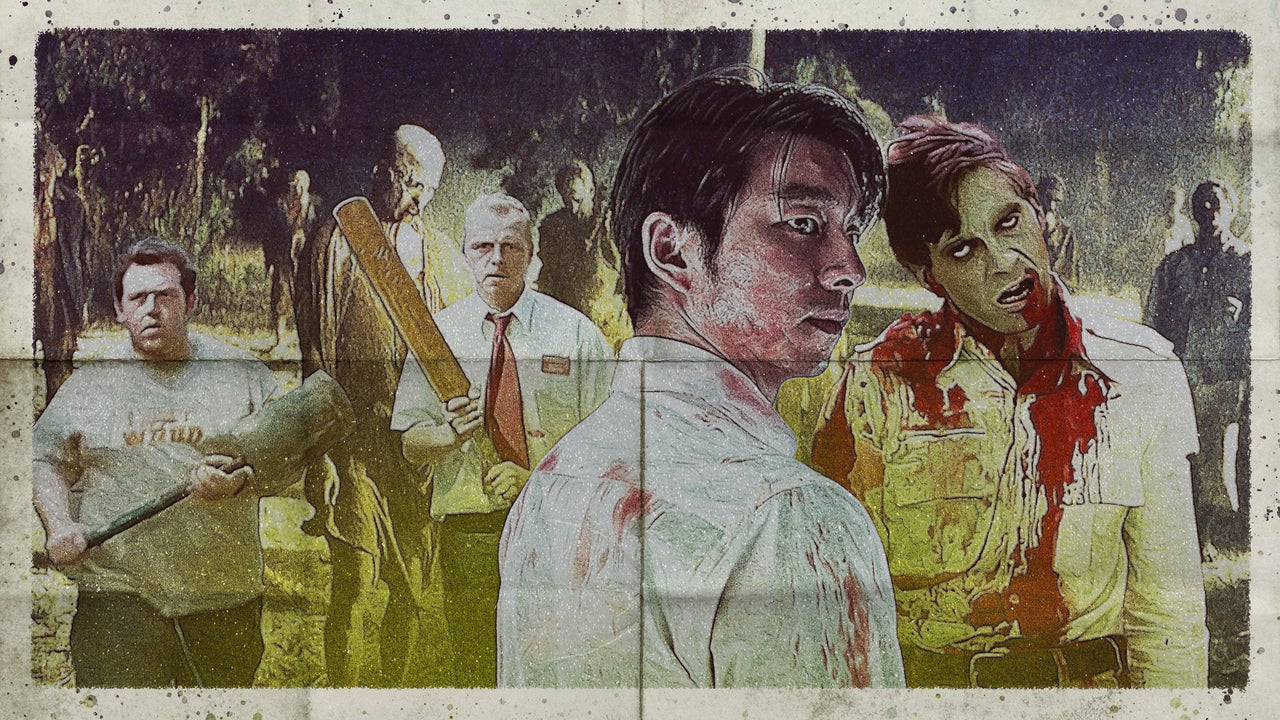
“The zombies here still follow the basic principles of insatiable undead fiends — they want to kill you, a bite from them will infect and assimilate you, etc — but these mf’ers would run at you, full speed, like insane hyenas.”
On the lighter side of the spectrum, Peter Jackson’s 1992 “Braindead,” known as “Dead Alive” in North America, offered a comedic twist with its slapstick gore. In this film, a young man’s life spirals into chaos when his mother is bitten by a “rat monkey” and returns as a ravenous zombie. The movie culminates in a hilariously gruesome showdown, influencing other comedic zombie films like “Shaun of the Dead.” Meanwhile, “Rec,” a Spanish found-footage horror, took a terrifying approach to the genre, immersing viewers in a claustrophobic nightmare within a quarantined apartment building.
South Korea’s “Train to Busan” revitalized the genre with its intense action and emotional depth. The film follows a father and daughter navigating a world rapidly succumbing to a zombie outbreak, blending action with social commentary. This film, along with others in the past two decades, has highlighted the global appeal of zombie narratives, showcasing diverse storytelling styles and cultural perspectives.
George Romero revisited the zombie genre with “Dawn of the Dead,” a film that expanded on his original work. This installment explored themes of consumerism while delivering thrilling action and groundbreaking special effects. Similarly, Lucio Fulci’s “Zombi 2” became a European cult classic, known for its gory scenes and unique zombie-versus-shark showdown, further cementing the genre’s appeal across continents.
“Train to Busan utilized intense action, full characters, and social commentary to tell the tale of a father trying to get his young daughter somewhere, anywhere safe, as civilization dissolves from under their feet.”
In the realm of zombie comedies, “Zombieland” offered a meta-take on the apocalypse, with stars like Woody Harrelson and Jesse Eisenberg navigating a world overrun by the undead. The film’s humor and heart made it a standout in the genre. In contrast, “The Return of the Living Dead” leaned into comedy while introducing the now-iconic zombie craving for “braaaiiinnnsss!” This film, with its fast-moving zombies, added a new dimension to the genre’s evolution.
Among the more unique entries is “Blood Quantum,” a Canadian film that explores a zombie outbreak on an indigenous reserve, where the inhabitants are immune to the virus. This socio-political twist offers a fresh perspective on the genre. Similarly, “The Girl with All the Gifts” presents a thought-provoking narrative about hope and survival in a world ravaged by a parasitic fungus. Meanwhile, “Warm Bodies” stands out as a rare zombie rom-com, exploring love from the perspective of a zombie slowly regaining his humanity.
Rounding out the list is “Re-Animator,” a campy horror-comedy inspired by H.P. Lovecraft. This film follows a medical student experimenting with a serum that revives the dead, blending horror with humor in a way that remains memorable. These films, each in their unique style, showcase the versatility and enduring appeal of zombie cinema, proving that the undead narrative is far from lifeless.


Article Source: www.ign.com
