





The film reduces the FBI’s capture to a dull TV cop procedural instead of capturing the magnitude of what was a historic win for law enforcement.
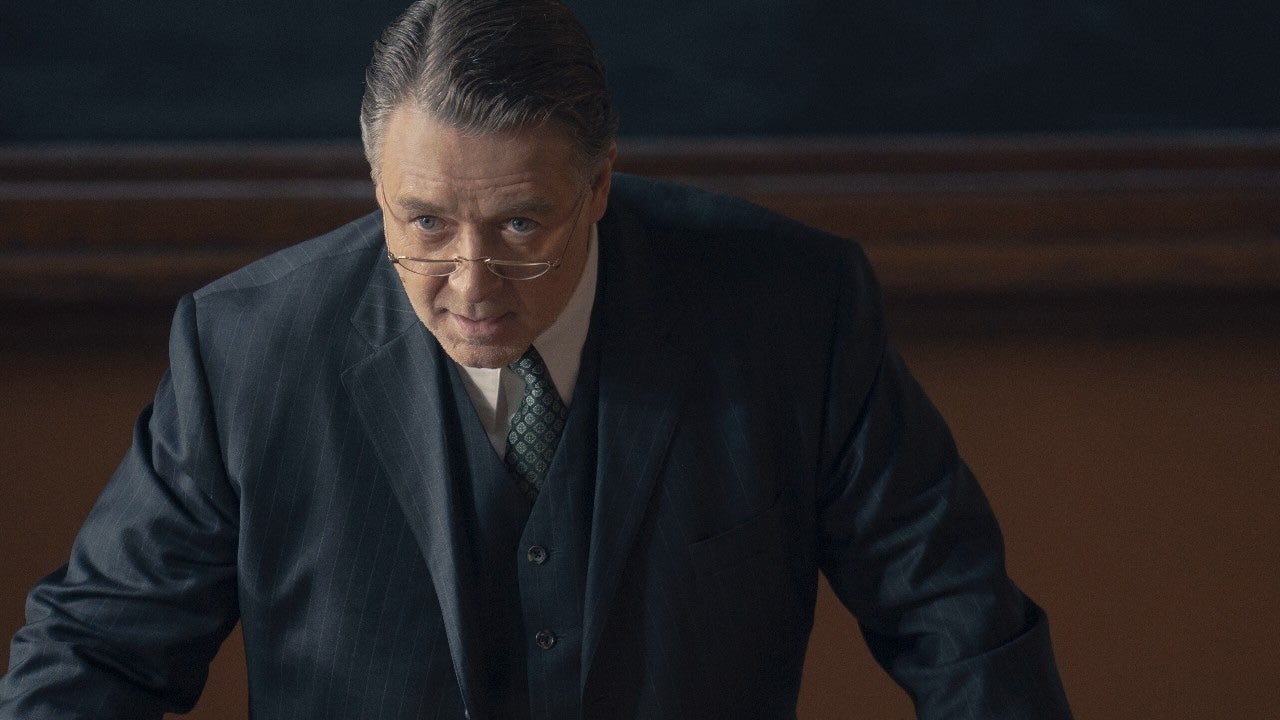
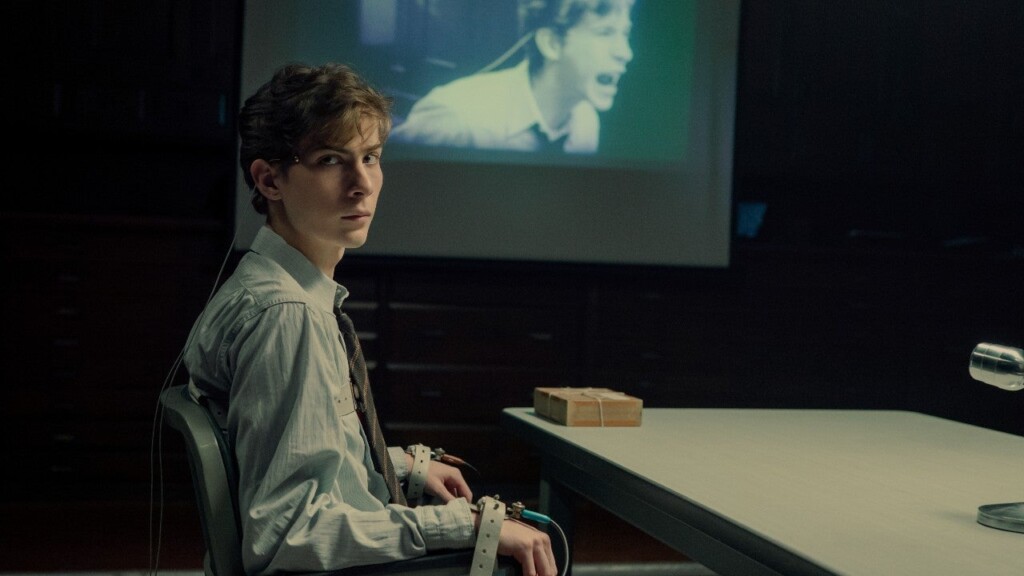
What distinguishes *Unabomber* from previous works on Kaczynski are the scenes set at Harvard during the Cold War. Here, a young Ted Kaczynski, played by Jacob Tremblay, is a promising mathematics student who dreams of becoming a philosopher. Under the supervision of Professor Henry Murray, portrayed by Russell Crowe, Kaczynski becomes part of a controversial psychological experiment. This program, intended to challenge philosophical arguments, instead becomes an abusive exercise in breaking individuals.
The film suggests that Murray’s unethical experiments may have awakened a destructive side in Kaczynski, leading him to later attack the very institutions he believed were harming the world. However, the reality of Kaczynski’s transformation is far more intricate. Tremblay struggles to fully capture the complexity of Kaczynski’s character, while Crowe’s performance as Murray avoids a simplistic portrayal, adding a layer of arrogance to the character.
While I appreciated Unabomber trying to explore what made Ted Kaczynski a monster, the film is just too slight and undercooked to pass its own philosophical stress test.
For those interested in Kaczynski’s story, the 2020 documentary *Unabomber: In His Own Words* on Netflix may offer a more insightful exploration. While *Unabomber* attempts to probe the origins of Kaczynski’s monstrous actions, it ultimately lacks the depth and intensity needed to engage viewers fully.


Article Source: www.ign.com
