





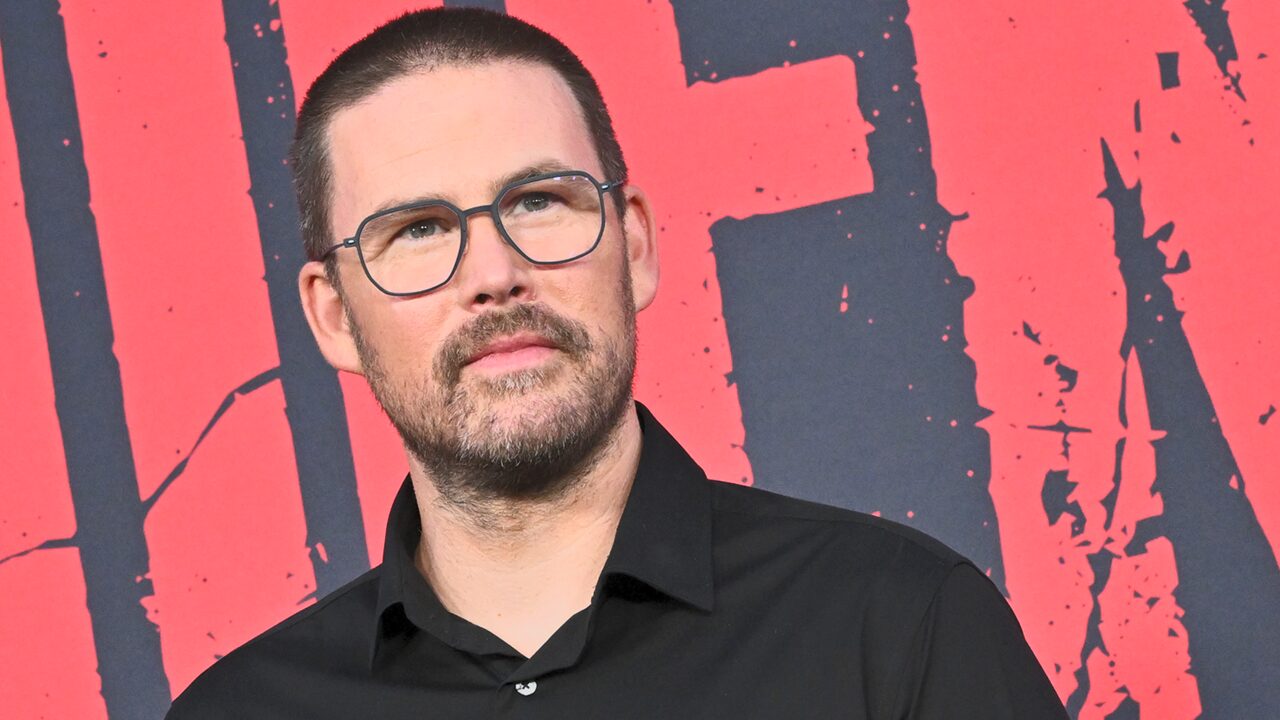
“All the conversation just felt like it was about not the movie,” Cregger lamented, highlighting his disappointment with the focus on discrepancies from the source material.
Despite the skepticism and questions about creative choices—like the absence of certain characters or the snowy setting of Raccoon City—Cregger stood by his artistic decisions, which aimed to enhance the film’s quality. Although he admitted being somewhat naïve about the inevitable comparisons to the games, he was ultimately content with how the film turned out.
Contrary to the initial backlash, Resident Evil proved to be a massive success. The film opened to positive reviews, with IGN awarding it an 8/10, and it quickly amassed $108 million at the global box office. With a production budget of $75 million, the film’s financial performance exceeded expectations, eventually crossing the $400 million mark worldwide by the end of the Halloween weekend.
“I’m proud of the movie. I really love the movie,” Cregger stated, reflecting on the project’s success despite the initial hurdles.
While Cregger has ideas for a potential sequel, he expressed a desire to distance himself from franchise films, at least for the time being. He acknowledged the difficulties of working within the constraints of an established intellectual property and suggested it’s a “never say never” situation regarding future projects.
In the meantime, Cregger is focusing on his next original film, The Flood, a sci-fi thriller starring Jennifer Lawrence, set to release on August 11, 2028. As audiences await more from Cregger, the Resident Evil film continues to bolster interest in Capcom’s gaming franchise, proving that even amidst controversy, a fresh cinematic vision can carve out its own place in a well-loved universe.

Article Source: www.ign.com
