






“The film sticks too closely to traditional notions of light and darkness to stray from the poem’s prescribed path.”
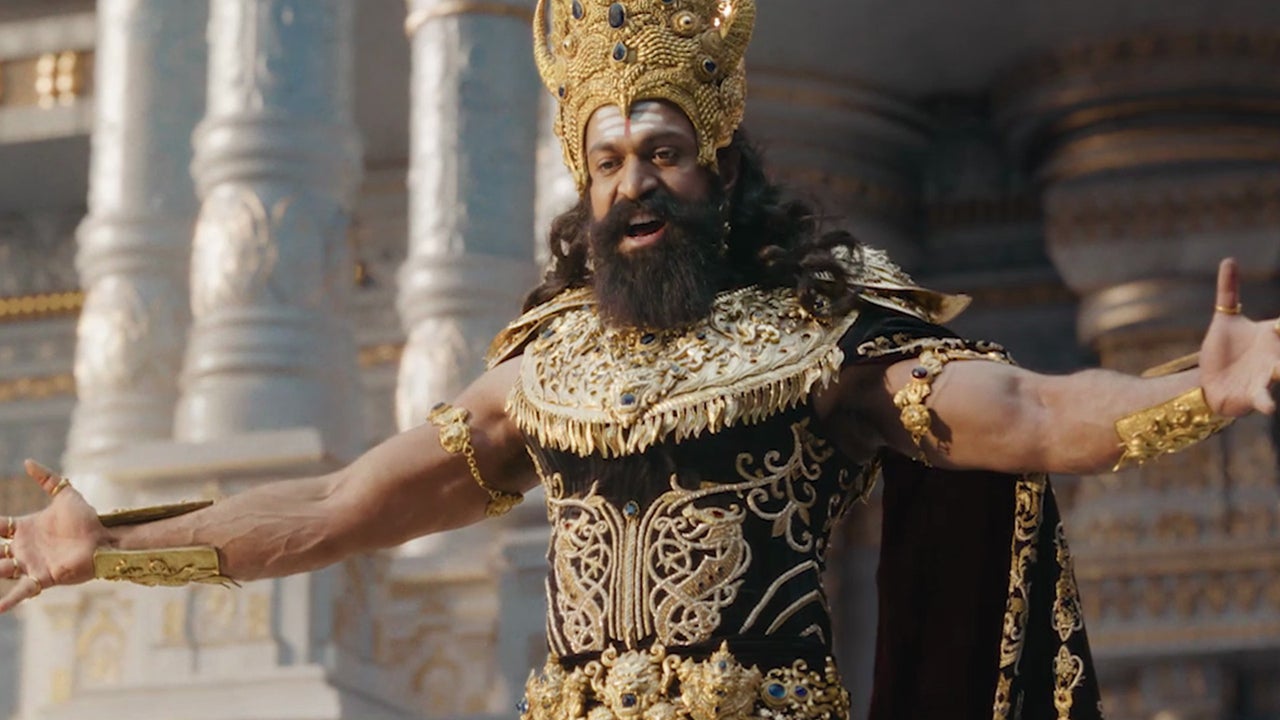
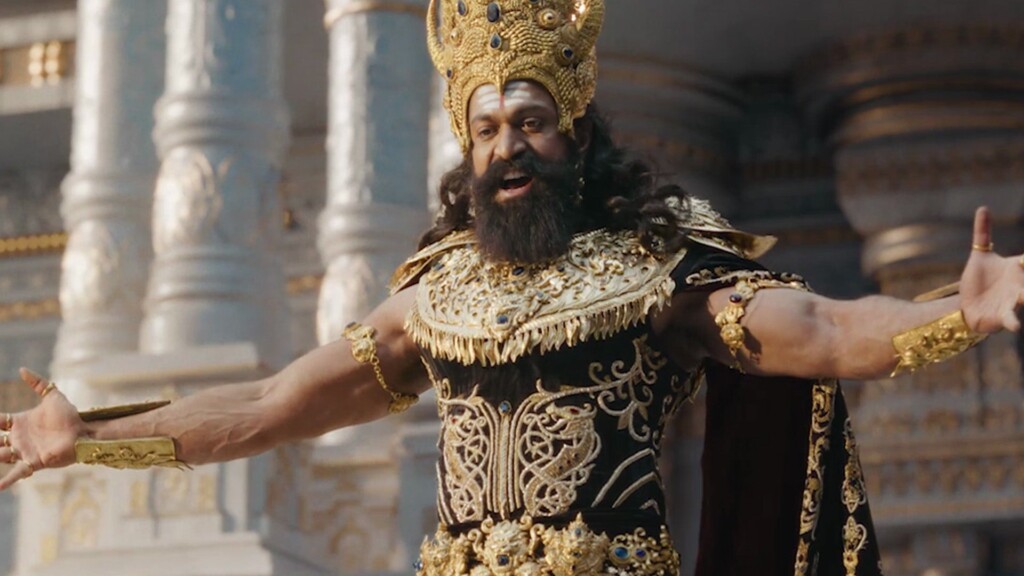
Ravana emerges as the film’s standout character, with Yash’s portrayal bringing complexity to the demon king. The character’s internal struggle is visualized through multiple versions of himself debating within his mind, offering a rare glimpse of depth in an otherwise binary narrative. Conversely, the depiction of Rama, played by Ranbir Kapoor, is lackluster. The prince, revered for his virtue and duty, is portrayed without the charisma or development needed to engage viewers. This lack of depth extends to Sita, Rama’s wife, whose potential for agency is overshadowed by her traditional damsel role.
The film’s action sequences, intended to be grand and captivating, often fall flat due to frenetic editing and a lack of emotional weight. Despite the collaboration between composers Hans Zimmer and A.R. Rahman, the music struggles to elevate scenes that lack their own rhythm and cohesion. Furthermore, the English dialogue, delivered in a posh accent, detracts from the film’s intended grandeur, leaving the dramatic moments feeling hollow.
“A lavish Hindu epic gets the Bollywood blockbuster treatment in Ramayana: Rise of a Legend, a clunky, A.I. lip-synced English version that cuts out most of the musical sequences.”
Despite these shortcomings, there are fleeting moments of visual and narrative intrigue, such as a striking cut from a vision to an empty throne, symbolizing Rama’s burdens. A climactic aerial battle also stands out, though it focuses on a secondary character rather than Rama himself, further highlighting the protagonist’s lack of presence.
In conclusion, while Ramayana: Rise of a Legend is poised for success in India and among the diaspora due to its cultural significance, it struggles to capture the imagination of newcomers. Its reliance on technology over storytelling and its adherence to traditional narratives limit its appeal. The film’s portrayal of the epic’s hero as unremarkable fails to provide the emotional impact necessary for a compelling cinematic experience.


Article Source: www.ign.com
