

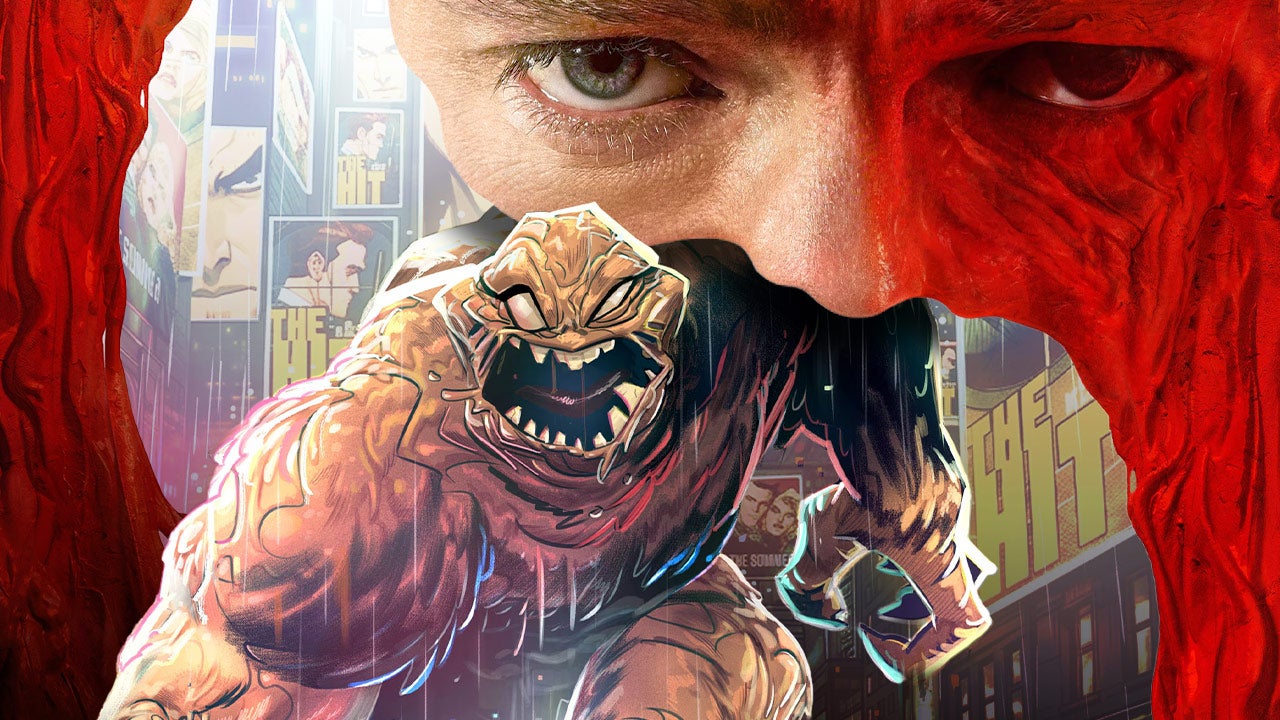
“I wanted to honor the comics and look at that and have something that was true to that. But at the same time, it’s got to play as live-action and real and grounded.” — James Watkins
The visual effects team faced the challenge of creating Clayface’s final form, blending practical effects with CGI to maintain the emotional depth of the character. Director Watkins described the process, saying, “We went through 13, 14 iterations trying to get that [final form] right.” The focus was on preserving the humanity within the monster, ensuring that the audience could connect with Hagen’s tragic journey.
Despite the film’s focus on Hagen, the broader DCU timeline is worth noting. Both “Clayface” and “Creature Commandos,” where an animated version of Batman appeared, are set before the events of the upcoming “Superman” movie in 2025. This suggests that Batman has been operating in Gotham since sometime between 2016 and 2024, although his live-action debut in the DCU is anticipated in “Batman: The Brave and the Bold.”
“He has no concept of Clayface and he doesn’t anticipate where this is going. He’s just met somebody who might be able to help him and inadvertently falls in love with this person.” — Tom Rhys Harries
The film concludes with Caitlyn grappling with her role in the events and her ongoing fear of Matt’s shape-shifting abilities. The final scene hints at Matt’s continued existence, leaving viewers with questions about his future in the DCU. “Clayface” is now playing in theaters, offering a unique, character-driven addition to the DC film slate. For more insights, check out IGN’s full review and updates on upcoming DC projects.


Article Source: www.ign.com
