






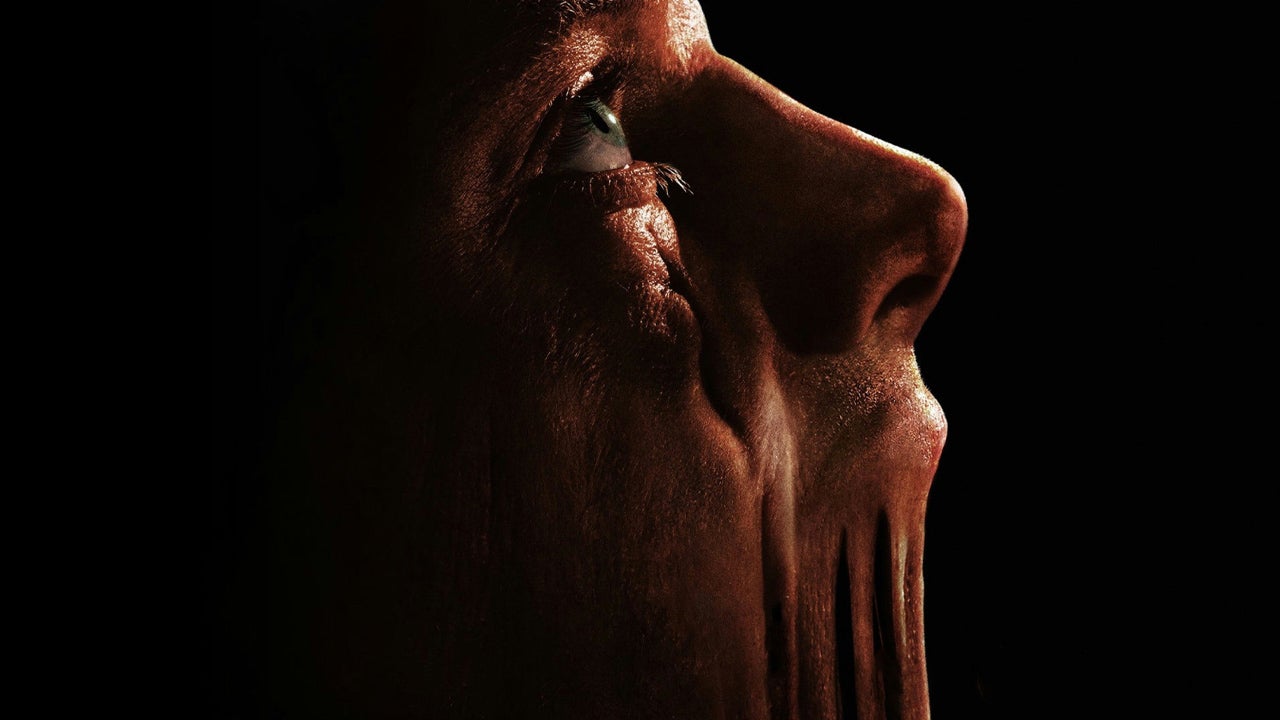
“Once Matt is no longer the victim and becomes the gooey Angel of Death we’ve been waiting for, the film gets a newfound jolt of energy.”
Harries delivers a compelling performance, channeling a young Malcolm McDowell with a mix of charm and underlying menace. Despite the film’s potential for exaggeration, Harries maintains a restrained portrayal, while Ackie’s Caitlyn emerges as a well-intentioned scientist whose innovations inadvertently unleash the darkness within Matt.
As the narrative unfolds, Matt’s quest for vengeance propels the film into its most engaging and absurd territory. The movie sheds its initial restraint, allowing for sequences that are as thrilling as they are darkly comedic, notably including a memorable airplane bathroom scene and a chilling sleep study.
Director Watkins, known for works such as “The Woman in Black” and the “Shut Up and Dance” episode of “Black Mirror,” alongside his talented team, including cinematographer Rob Hardy and production designer James Price, expertly utilize Matt’s shape-shifting abilities. These transformations not only heighten tension but also inject humor as Matt navigates through a series of personas, leveraging his acting skills.
“Clayface proves that the DCU can offer more than just superhero fisticuffs and save-the-world plots.”
As Matt’s physical and moral degeneration accelerates, the film culminates in a climactic reveal of his comics-accurate final form, marking the tragic end of his transformation. While the movie is a part of James Gunn’s DC Studios, it stands apart from traditional superhero narratives, focusing instead on a more sinister storyline set in Gotham and Coast City.
Ultimately, “Clayface” is a testament to the versatility of the DC universe, showcasing that it can extend beyond conventional superhero tales. This film is a visceral journey into horror, requiring viewers to brace themselves for its unsettling yet captivating moments, all while delivering a fresh take on the comic book genre.


Article Source: www.ign.com
