




It changes the conversation from ‘do you own a game, or do you have access to a digital asset?’ If you can’t sell a thing, it means you don’t own a thing.
The absence of a physical product makes it harder for consumers to feel they truly possess their games. Layden warns that this perception shift could lead to negative brand consequences, recalling Sony’s previous controversies over digital content access. “As people tend to do, in their mind, they’ll game out the worst case scenario. And that’s a whole lot of brand hit and reputation bite,” Layden observed.
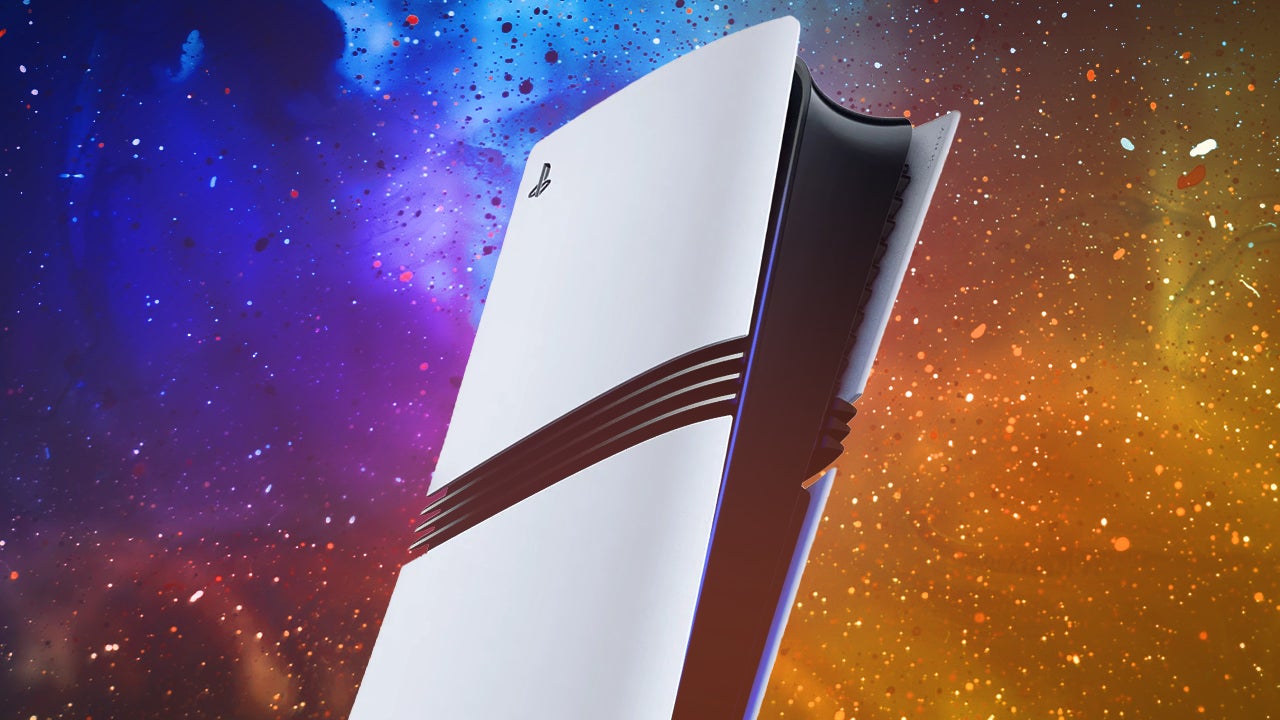
Sony’s strategy could backfire if the cost savings from not producing discs are outweighed by the negative public response. Meanwhile, the company continues to file patents for other innovations, such as AI-driven patches for the PS5 and an NFC card reader integrated into controllers, which may also face scrutiny.
As people tend to do, in their mind, they’ll game out the worst case scenario. And that’s a whole lot of brand hit and reputation bite.
Jackie Thomas, Senior Tech Editor at IGN, has been covering gaming hardware for over a decade, offering insights on this evolving landscape. Follow her insights on Twitter @Jackiecobra.


Article Source: www.ign.com
